
Pronouns सर्वनामानि
In Sanskrit grammar, a pronoun is called सर्वनाम. A सर्वनाम is a word that is used in place of a noun to avoid repetition and make sentences simpler and smoother.
For example, instead of repeating a person’s name again and again, Sanskrit uses words like:
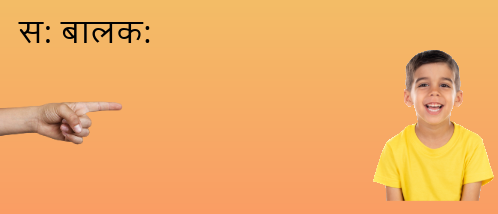
- सः He, that
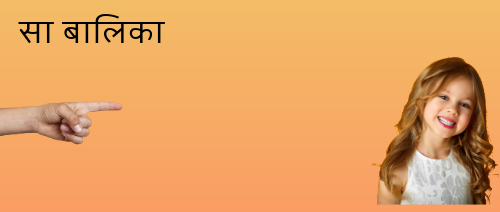
- सा She, that
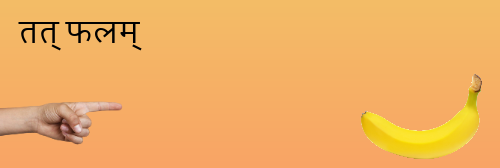
- तत्, It, that
Sanskrit says: रामः बालकः अस्ति। सः पठति।
The word सर्वनाम literally means: “a word standing in place of all nouns.”
These words can refer to:
- Persons
- Objects
- Places
- Ideas
Sanskrit has several kinds of सर्वनाम-s.
1. Personal Pronouns
Used for persons. Examples:
2. Demonstrative सर्वनाम-s- अहम् I
- त्वम् You
- वयम् We
Used to point out persons or objects. Examples:
3. Interrogative सर्वनाम-s- सः That, he
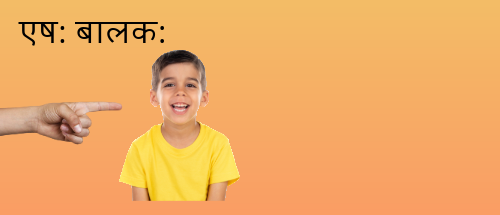
- एषः This, he
Used in questions. Examples:
4. Relative सर्वनाम-s- कः Who? (masculine)
- का Who? (feminine)
- किम् What? (neuter)
Used in relative clauses. Examples:
सर्वनाम-s Change According to Gender and Number- यः Who, which (masculine)
- या Who, which (feminine)
- यत् Which, that (neuter)
Like nouns, Sanskrit सर्वनाम-s change according to:
- लिङ्गम्
- वचनम्
- विभक्तिः (case)
सर्वनाम-s must agree with the nouns they represent. Examples:
- रामः पठति। सः बुद्धिमान् अस्ति। “Rama studies. He is intelligent.”
- सीता गच्छति। सा प्रसन्ना अस्ति। “Sita goes. She is happy.”
In Sanskrit, pronouns differ based on whether they are addressing something/someone far or near. Let's learn some common सर्वनाम-s and their usages.
| दूरे (far) | समीपे (near) | ||||
|---|---|---|---|---|---|
| पुल्लिङ्गः | स्त्रीलिङ्गः | नपुंसकलिङ्गम् | पुल्लिङ्गः | स्त्रीलिङ्गः | नपुंसकलिङ्गम् |
| सः | सा | तत् | एषः | एषा | एतत् |


Here are some more examples
| समीपे (near) | दूरे (far) | English |
|---|---|---|
| एषः बालकः | सः बालकः | A boy |
| एषः भक्तः | सः भक्तः | A devotee |
| एषः पुत्रः | सः पुत्रः | Son |
| एषा बालिका | सा बालिका | A girl |
| एषा नदी | सा नदी | A river |
| एषा लता | सा लता | A creeper |
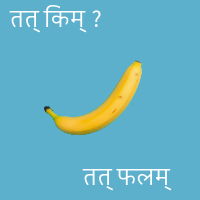
| एतत् फलम् | तत् फलम् | A fruit |
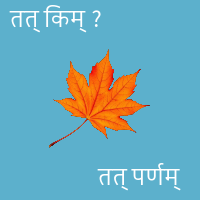
| एतत् पर्णम् | तत् पर्णम् | A leaf |
| एतत् पुस्तकम् | तत् पुस्तकम् | A book |
Click on this
 सर्वनाम-s quiz
quiz icon to learn many more examples of
सः सा तत् एषः एषा and एतत्
सर्वनाम-s quiz
quiz icon to learn many more examples of
सः सा तत् एषः एषा and एतत्
Interrogative सर्वनाम-s - Asking questions in Sanskrit
Remember that in Sanskrit, सर्वनाम-s have to match in लिङ्ग and वचन.
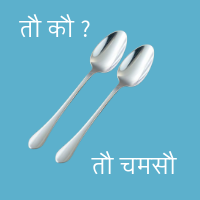
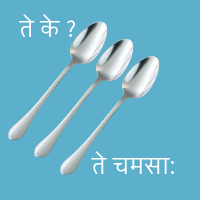
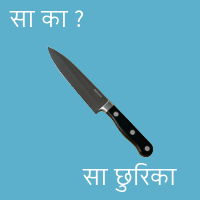
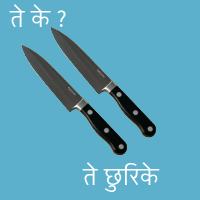
Interrogative सर्वनाम-s for दूरे: (far)
| एकवचनम् | द्विवचनम् | बहुवचनम् | |
|---|---|---|---|
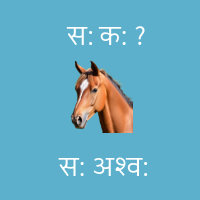
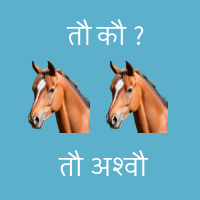
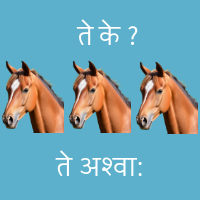
| पुल्लिङ्गः | सः कः | तौ कौ | ते के |
| Who is that | Who are those two | Who are they | |
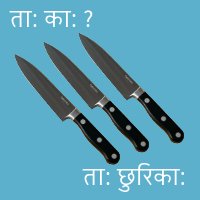
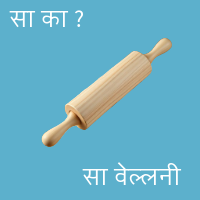
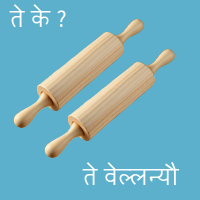
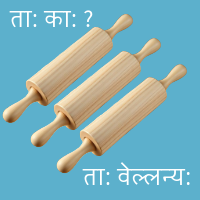
| स्त्रीलिङ्गः | सा का | ते के | ताः काः |
| Who is she | Who are those two | Who are they | |
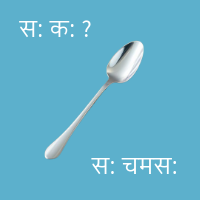
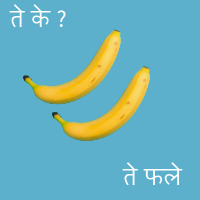
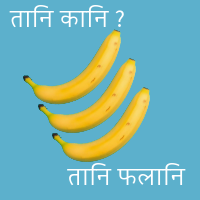
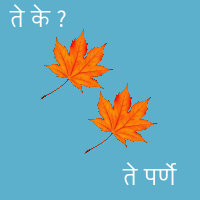
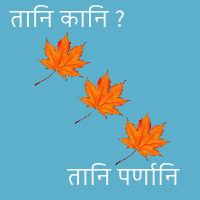
| नपुंसकलिङ्गम् | तत् किम् | ते के | तानि कानि |
| What is that | What are those two | What are they |
Interrogative सर्वनाम-s for समीपे: (near)
| एकवचनम् | द्विवचनम् | बहुवचनम् | |
|---|---|---|---|
| पुल्लिङ्गः | एषः कः | एतौ कौ | एते के |
| Who is this | Who are these two | Who are these | |
| स्त्रीलिङ्गः | एषा का | एते के | एताः काः |
| Who is she | Who are these two | Who are these | |
| नपुंसकलिङ्गम् | एतत् किम् | एते के | एतानि कानि |
| What is this | What are these two | What are these |
पुल्लिङ्गः
 |
 |
 |
 |
 |
 |
स्त्रीलिङ्गः
 |
 |
 |
 |
 |
 |
नपुंसकलिङ्गम्
 |
 |
 |
 |
 |
 |
Here is a summary of the interrogative सर्वनाम-s we have learnt so far. Note that they do not have the concept of समीपे and दूरे.
| एकवचनम् | द्विवचनम् | बहुवचनम् | |
|---|---|---|---|
| पुल्लिङ्गः | कः | कौ | के |
| स्त्रीलिङ्गः | का | के | काः |
| नपुंसकलिङ्गम् | किम् | के | कानि |
Here is a summary of the सर्वनाम-s we have learnt so far:
| ए व | द्वि व | ब व | ए व | द्वि व | ब व | |
|---|---|---|---|---|---|---|
| पुल्लिङ्गः | एषः | एतौ | एते | सः | तौ | ते |
| स्त्रीलिङ्गः | एषा | एते | एताः | सा | ते | ताः |
| नपुंसकलिङ्गम् | एतत् | एते | एतानि | तत् | ते | तानि |
Click on this
सर्वनाम-s quiz
quiz icon to practise these सर्वनाम-s
Click here to study the next chapter on Declension Introduction